The Rotunda Mission
Remote healthcare education should build recall, judgment, and clinical calm.
Allied Healthcare Sciences gives students a structured place to practice the language, habits, and
decision-making expected in healthcare settings before they enter protected course rooms.
Care is not an accessory to training. It is the standard that gives training its purpose.
Retention over memorization
Care Context
Patient-facing judgment starts before the clinical floor.
The Rotunda connects terminology, safety habits, documentation, ethics, and professional conduct
to patient-facing situations instead of leaving them as isolated facts.
Students should learn healthcare language as a usable care tool, not just as a vocabulary list.
Practice Rhythm
Skills become stronger through repeated, organized use.
The delivery model favors review loops, retrieval practice, applied prompts, and steady reinforcement
so students can recall core concepts under pressure.
Preparation is returning to the right idea until it becomes usable without hesitation.
Section Integrity
Access stays aligned to the right cohort and course room.
Accession separates the public overview from protected student work, verified sections, course enrollment,
and classroom materials so access stays clean and intentional.
Students should know where they belong, what they are practicing, and why it matters.
01
Applied Introductions
Course previews introduce the learning focus while protected lessons stay inside verified student access.
02
Clinical Readiness
Students repeatedly connect anatomy, terminology, safety, and communication to practical healthcare decisions.
03
Compliance + Licensure
Content is organized around the standards, documentation habits, and accountability expected in care settings.
Course Previews
Focused introductions for active allied healthcare pathways.
These previews describe the learning focus only. No lesson links, student buttons,
request controls, or protected course-room actions appear on this page.
Clinical readiness
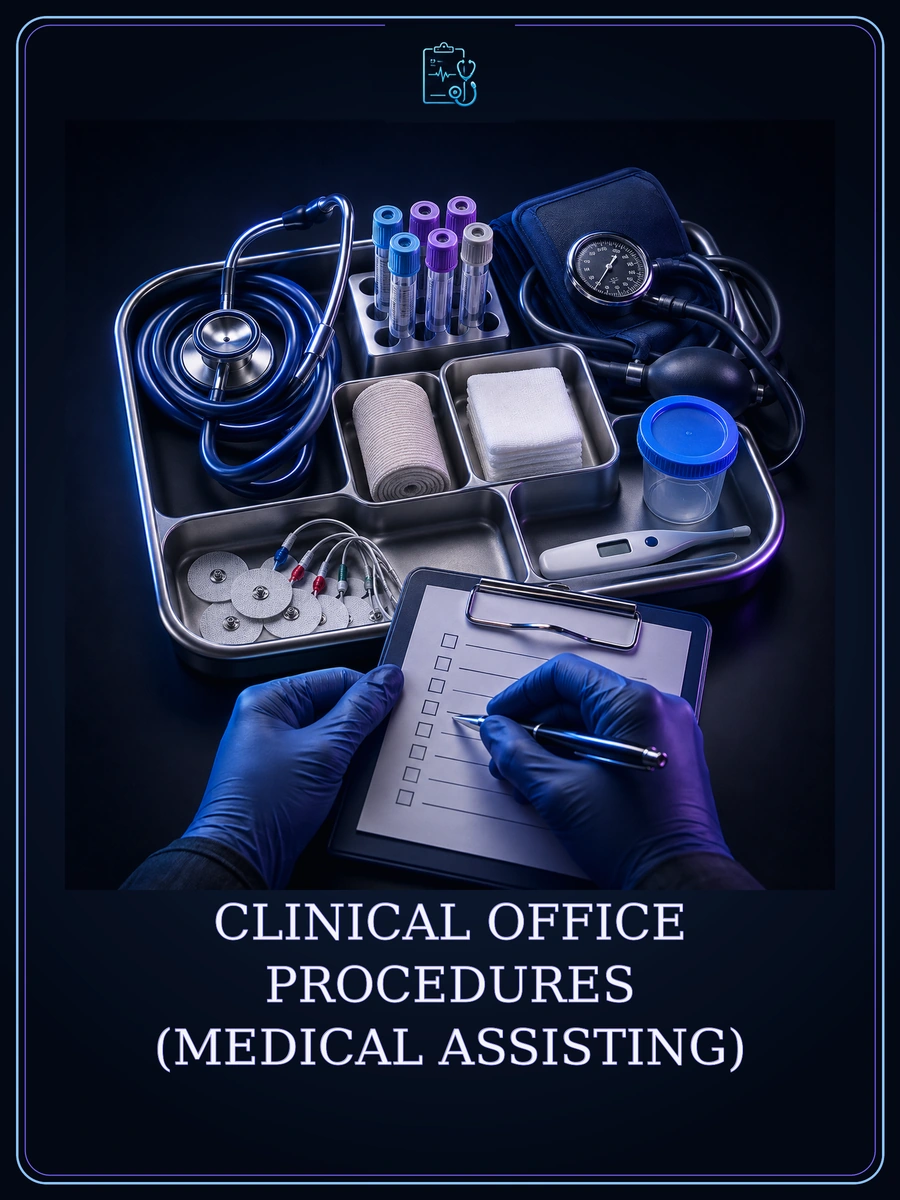
Clinical Office Procedures
Patient intake, vital signs, phlebotomy, EKG preparation, injections, documentation flow, and safe chairside habits.
- PracticeTranslate rooming routines into patient-facing steps.
- SafetyConnect procedure order, supplies, and documentation.
- RecallRevisit core actions until they become usable under pressure.
Front office flow
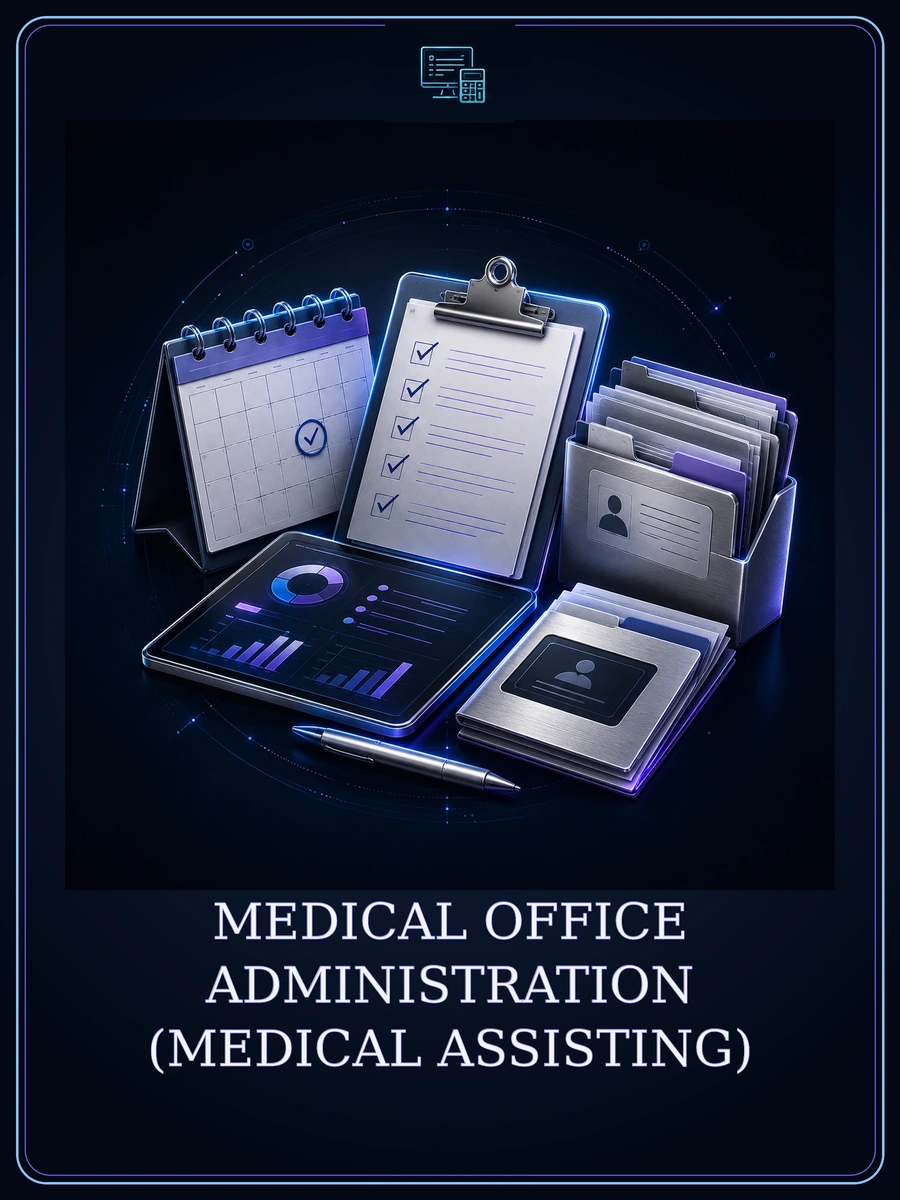
Medical Office Administration
Scheduling, records, referrals, insurance basics, patient communication, and administrative judgment as one connected care workflow.
- AccessUnderstand the path from appointment to record.
- LanguageUse administrative terms with clinical context.
- TrustKeep communication clear, timely, and accountable.
Body systems
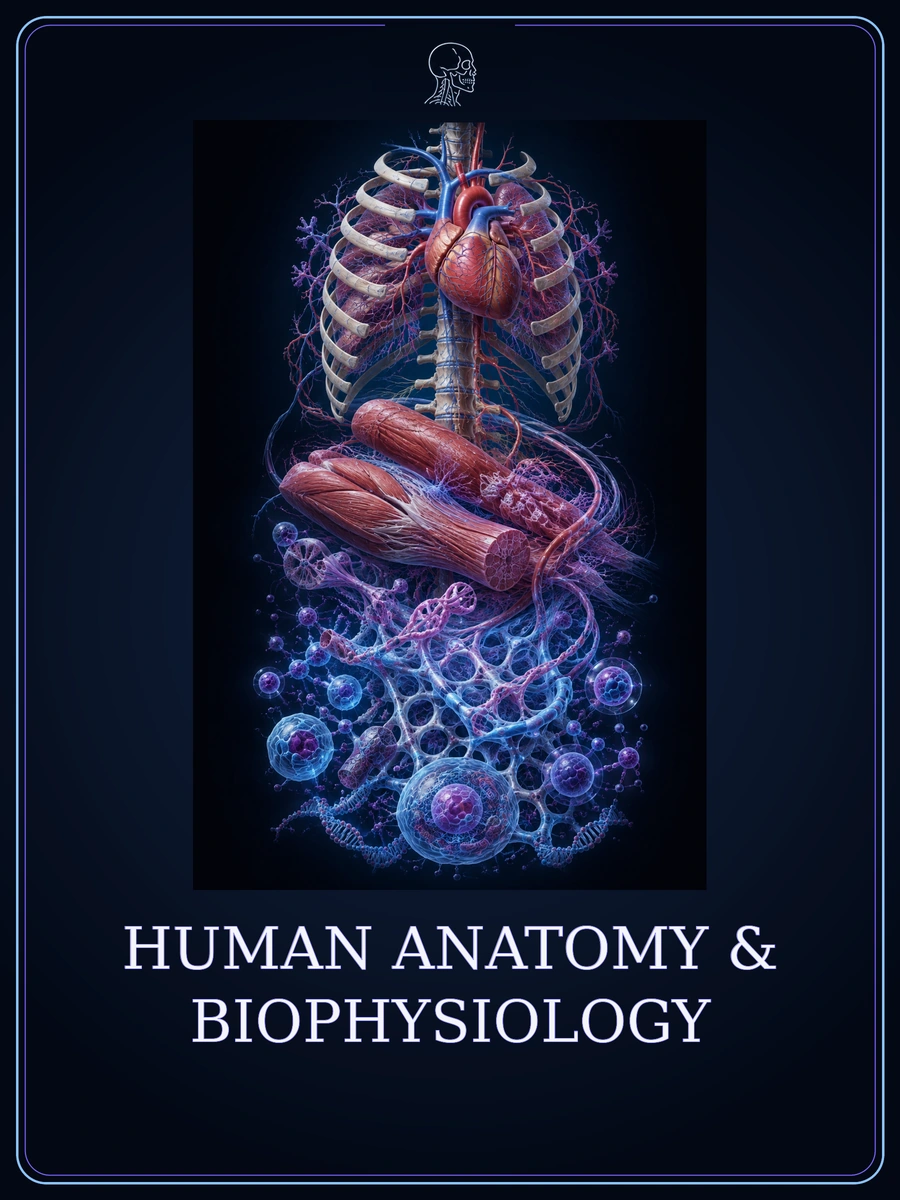
Human Anatomy and Biophysiology
Structure, function, observation, symptoms, and patient education framed around how body systems are recognized in care.
- SystemsConnect anatomy to function and symptoms.
- ObservationPractice what to notice and how to describe it.
- RetentionReinforce concepts through applied examples.
Professional standards
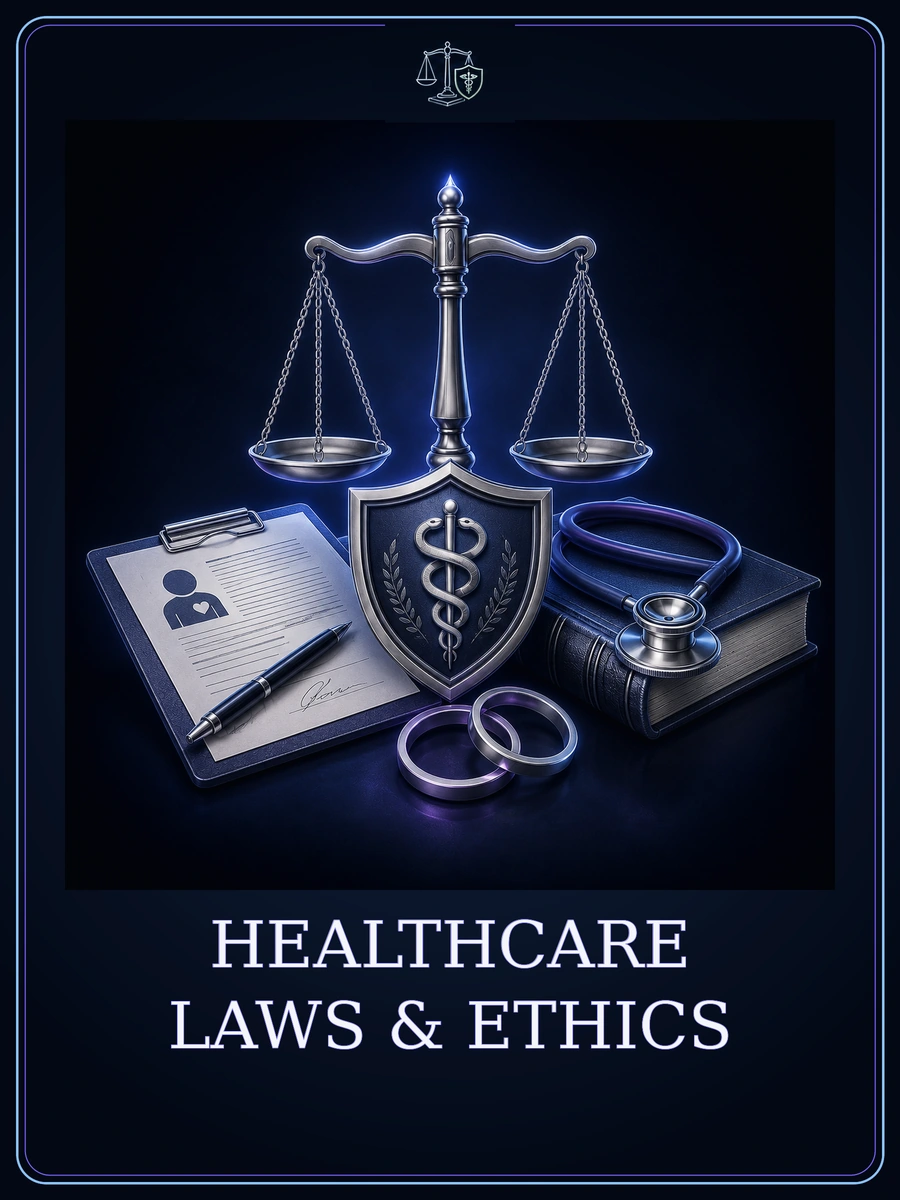
Healthcare Laws and Ethics
Scope, consent, privacy, accountability, patient rights, and professional boundaries as daily care habits.
- BoundariesKnow what belongs inside scope and consent.
- PrivacyApply confidentiality before problems happen.
- JudgmentConnect ethical choices to patient trust.
Imaging safety
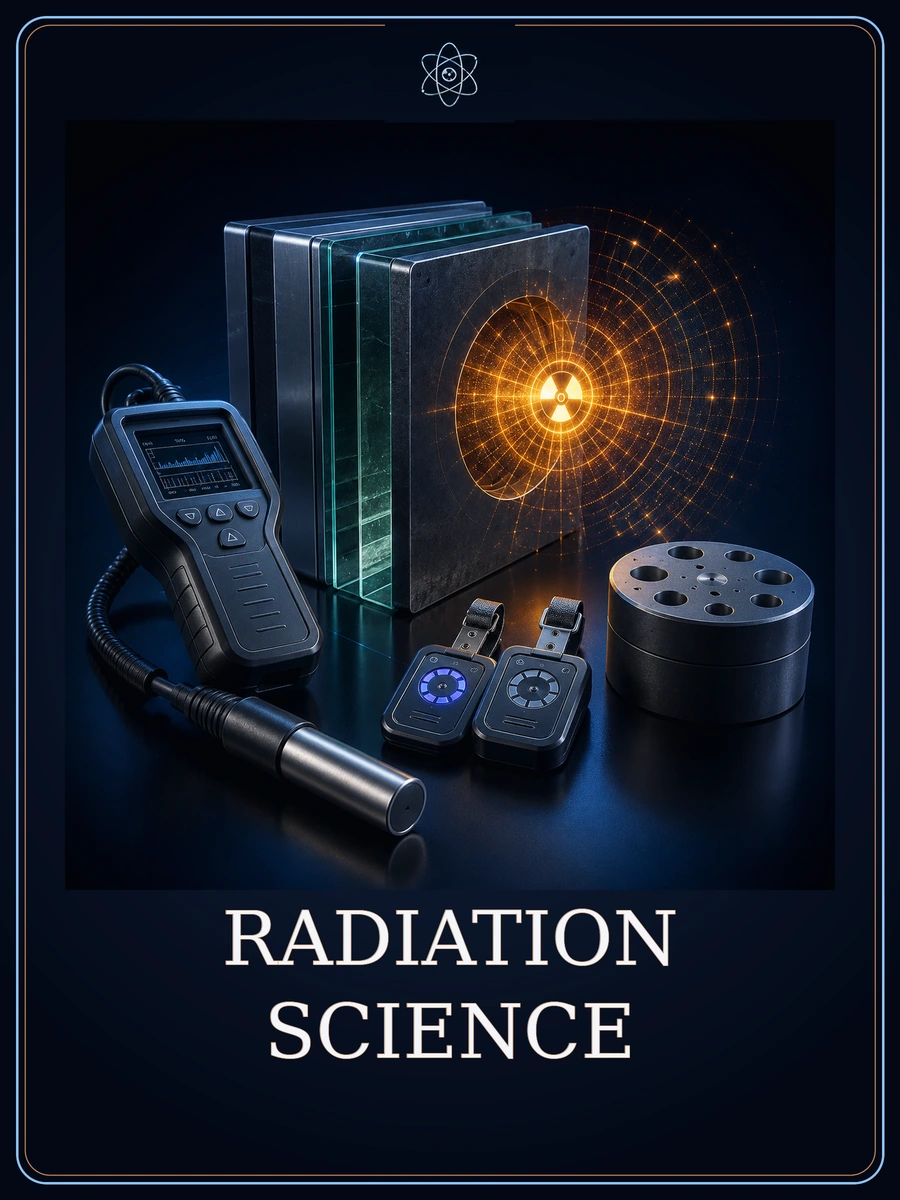
Radiation Science
Radiation safety, diagnostic workflow, imaging concepts, patient protection, and exposure awareness.
- SafetyIdentify protection principles and why they matter.
- WorkflowPreview how imaging decisions stay organized.
- CareKeep technical concepts tied to patient protection.
Targeted medicine
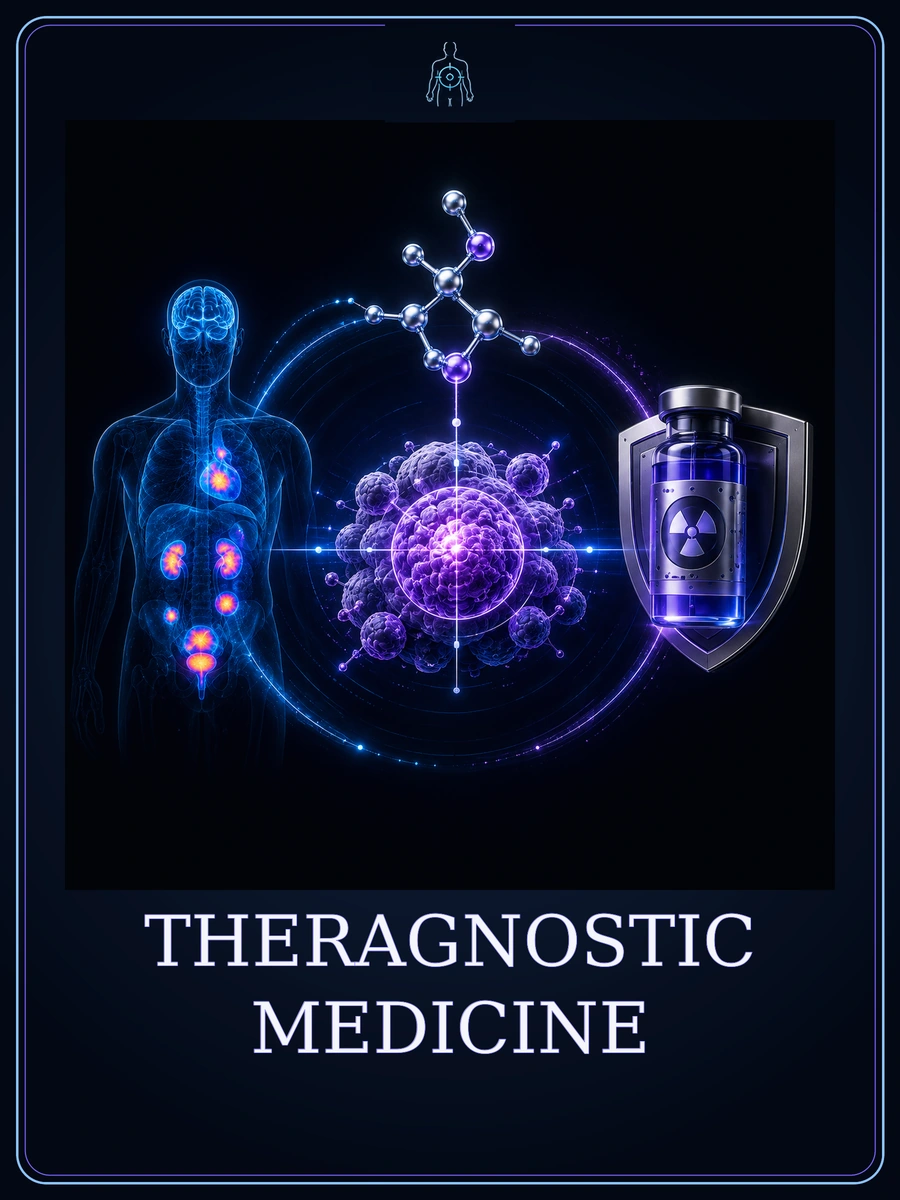
Theragnostic Medicine
Radiopharmaceutical logic, uptake, imaging physiology, targeted therapy, and safety concepts.
- ConceptsConnect imaging, uptake, and targeted care.
- PrecisionUnderstand why process and timing matter.
- SafetyKeep clinical benefit and risk in view.
Communication and presence
Behavioral Medicine
Communication, mental health awareness, de-escalation, empathy, professionalism, and support.
- CalmPractice language that lowers friction.
- AwarenessRecognize behavioral and emotional context.
- SupportKeep professionalism connected to empathy.
Clinical language
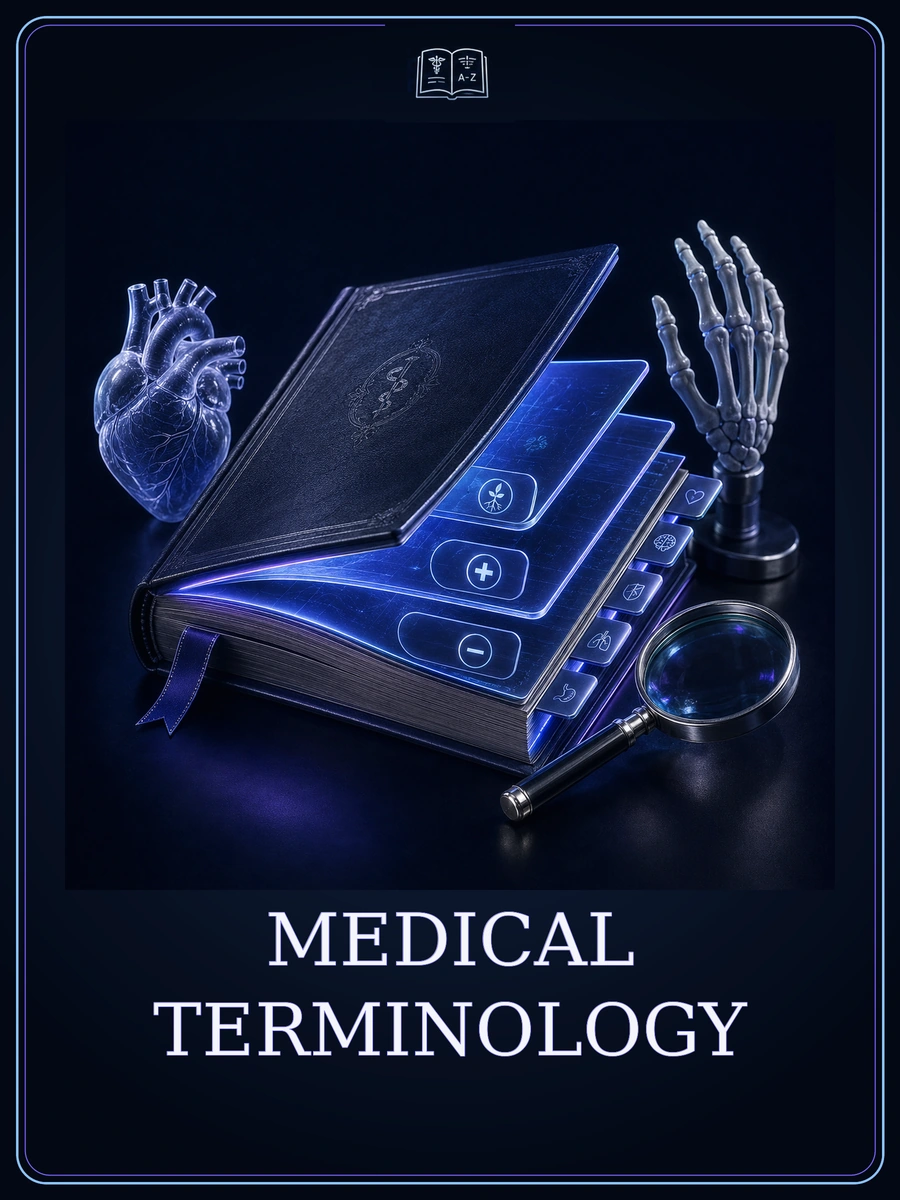
Medical Terminology
Roots, prefixes, suffixes, abbreviations, chart language, body systems, and clinical interpretation.
- TermsBuild meaning from roots and patterns.
- ChartsConnect abbreviations to real documentation.
- UseMake vocabulary practical, not decorative.
Protected information
HIPAA Compliance Certification
PHI, ePHI, confidentiality, minimum necessary, breach awareness, and certificate verification.
- PrivacyKnow what information must be protected.
- MinimumPractice using only what is necessary.
- AccountabilityConnect compliance to patient trust.